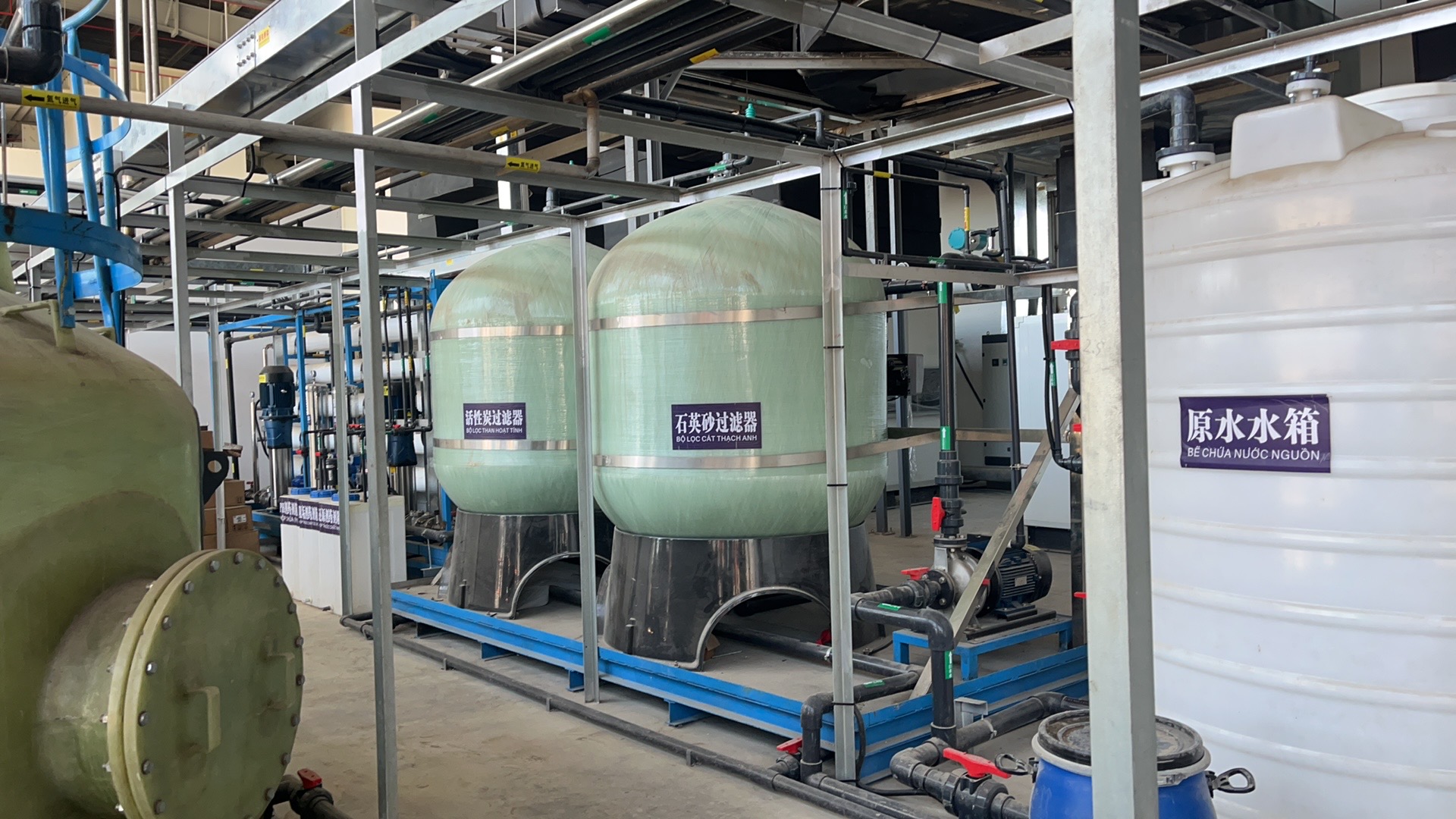
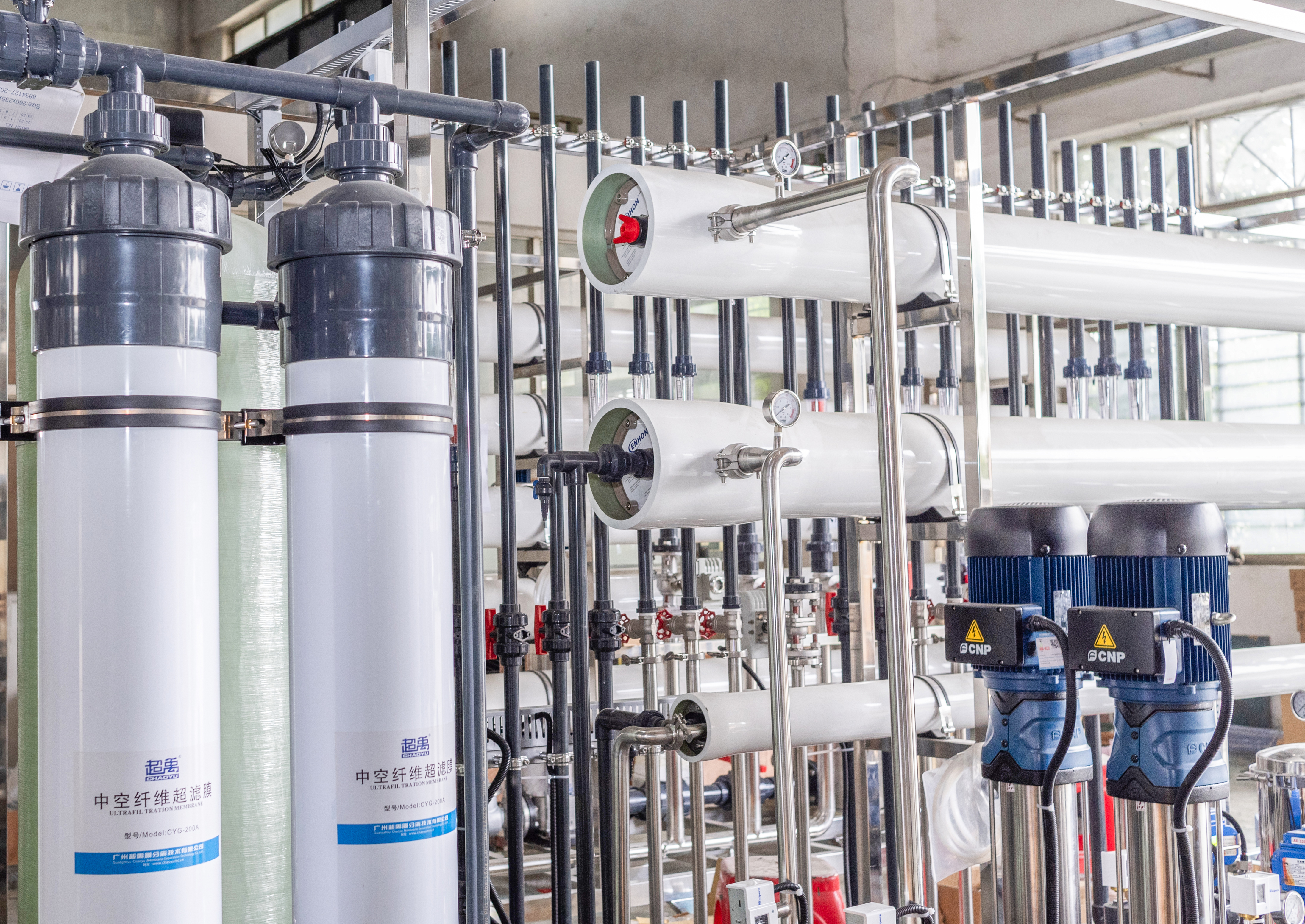
Process-water reuse
Recovered water route selected around the actual production reuse point.
Fit-for-purpose recovery systems configured around the source stream, the final reuse point and the practical operating risks between them.
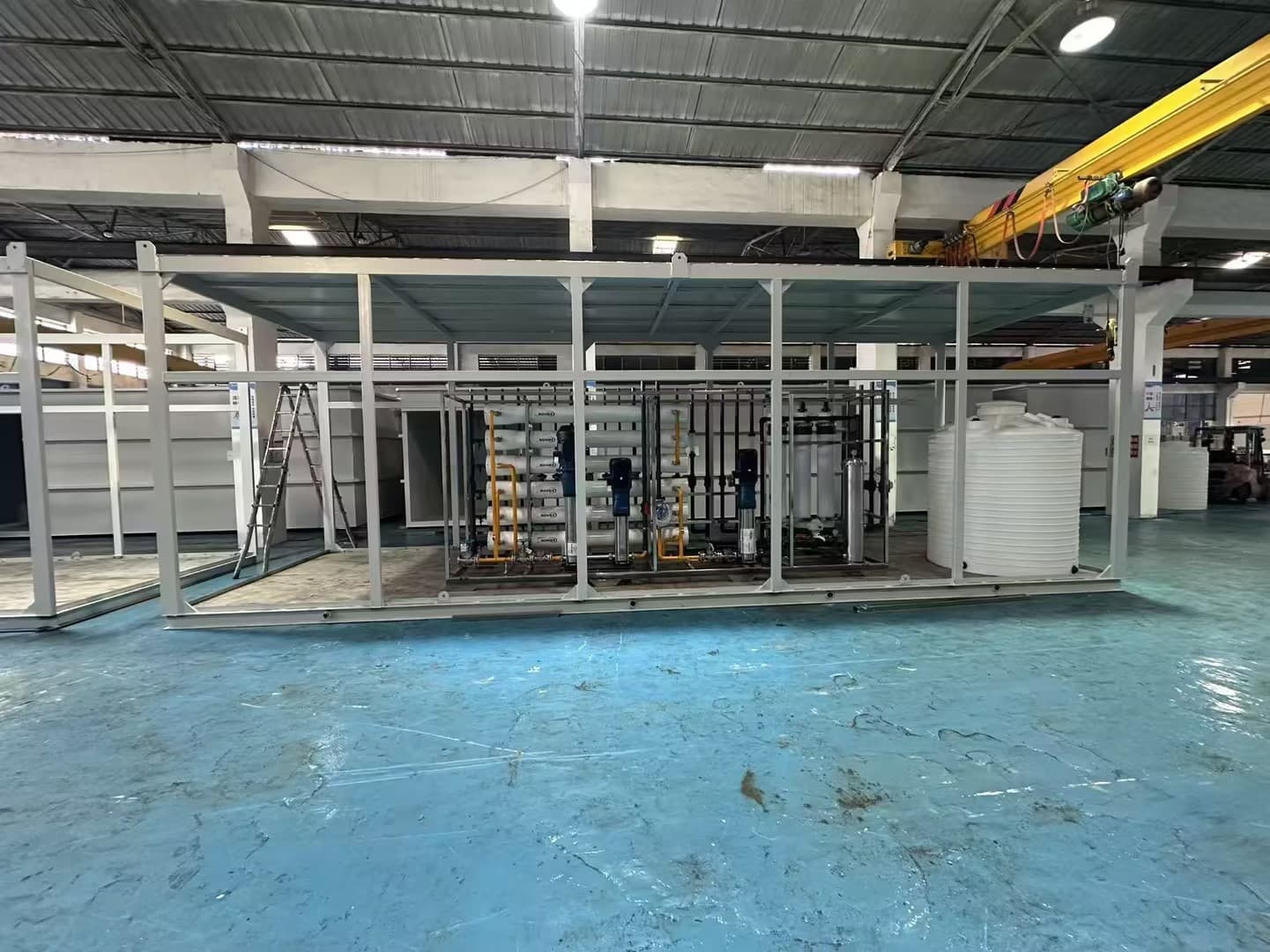
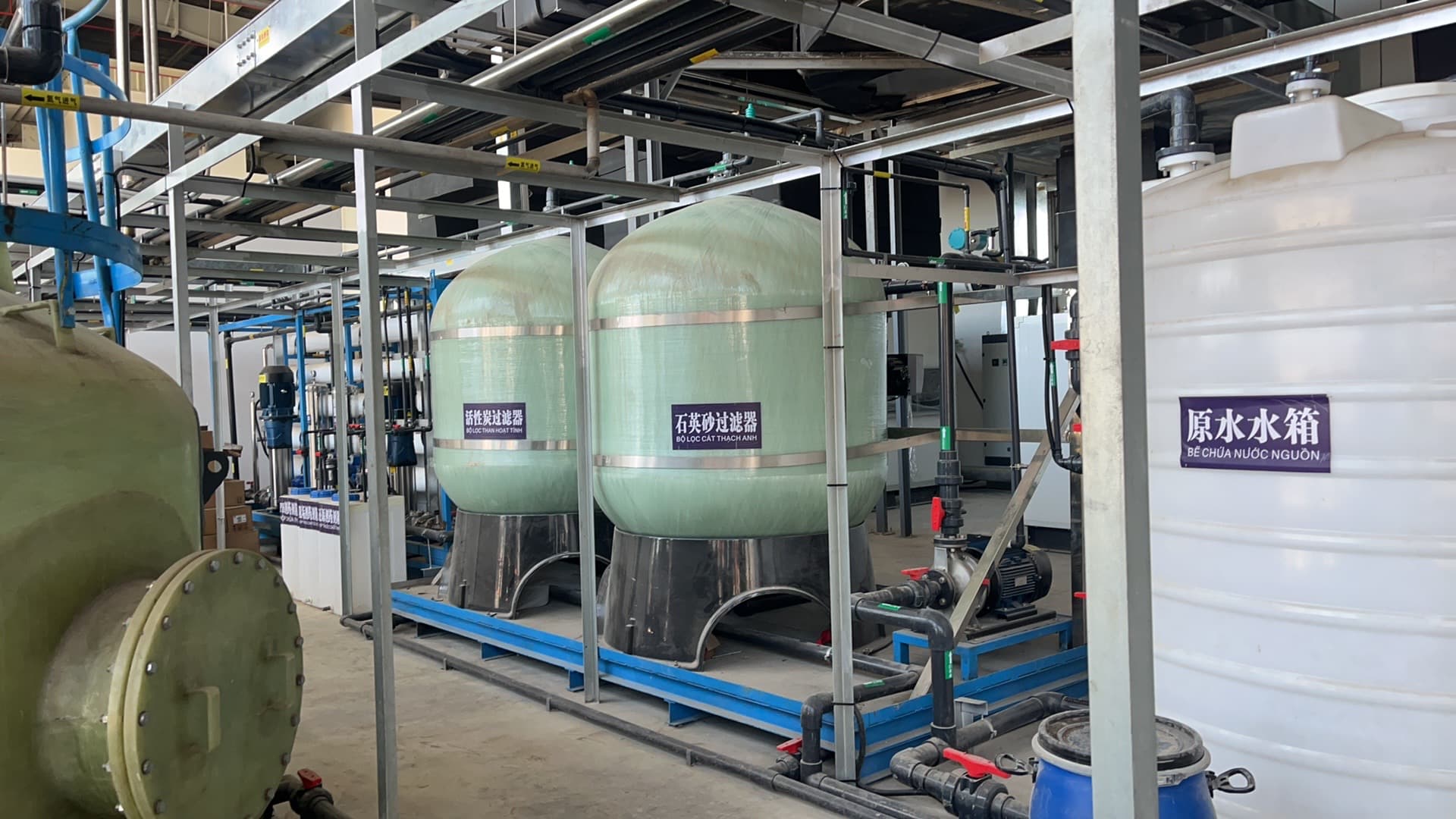
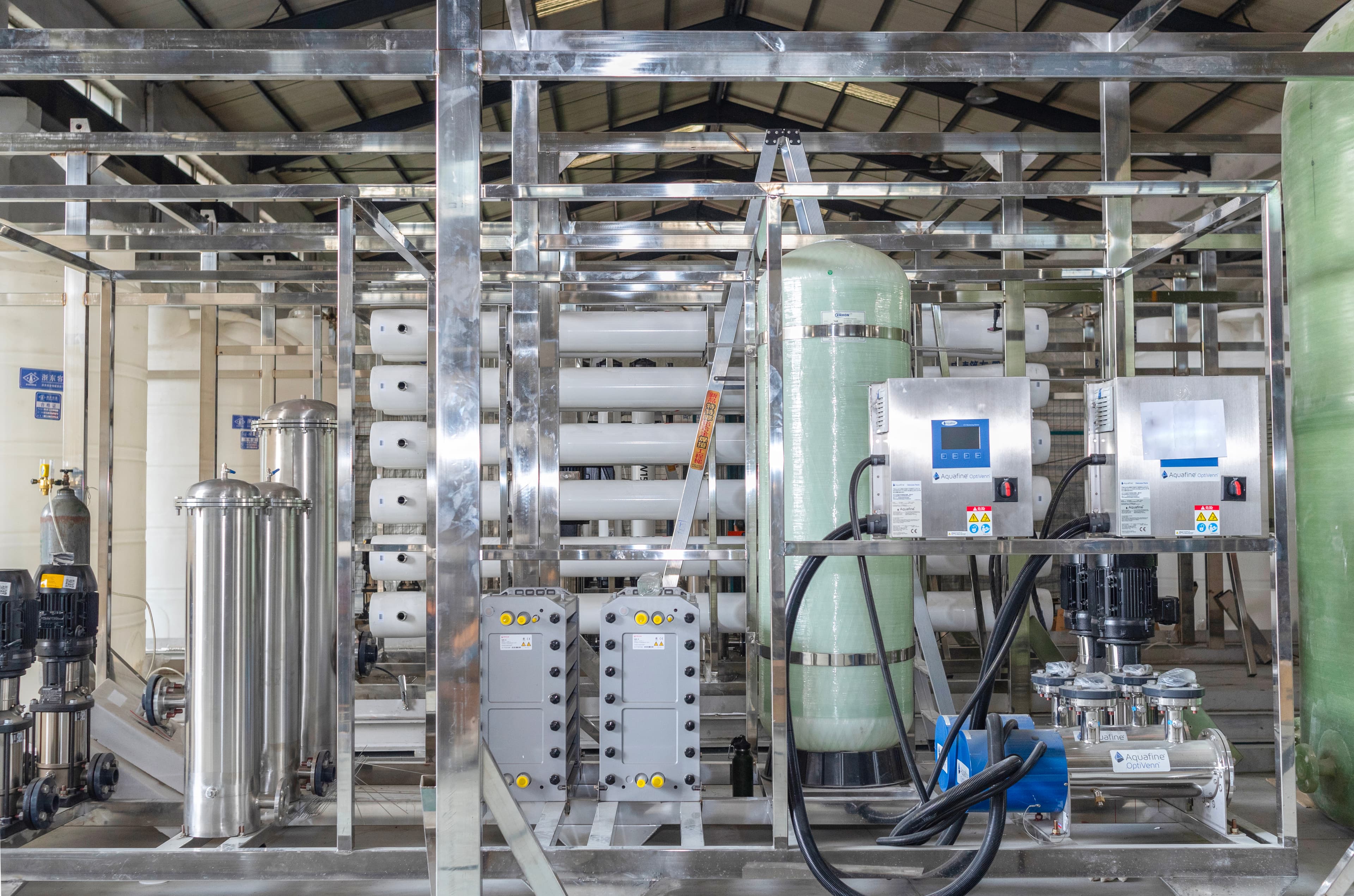
Fit-for-purpose recovery systems configured around the source stream, the final reuse point and the practical operating risks between them.
Recovered water route selected around the actual production reuse point.
Treatment is reviewed against the quality required for cooling utility use.
Reuse water controls are selected around wash-water requirements and source variability.
The final production duty sets the treatment target and monitoring approach.
Reuse route can support selected utilities where water quality and project conditions are confirmed.
UF and RO stages are considered only where the source stream and reuse objective justify them.
A reuse system should be designed around where the recovered water will be used—not around a generic recovery rate.
The source stream, variability, contaminants, fouling risk and final reuse requirement define the pretreatment, UF, RO and any selected advanced treatment. Concentrate handling and operating controls are reviewed as part of the practical project scope.
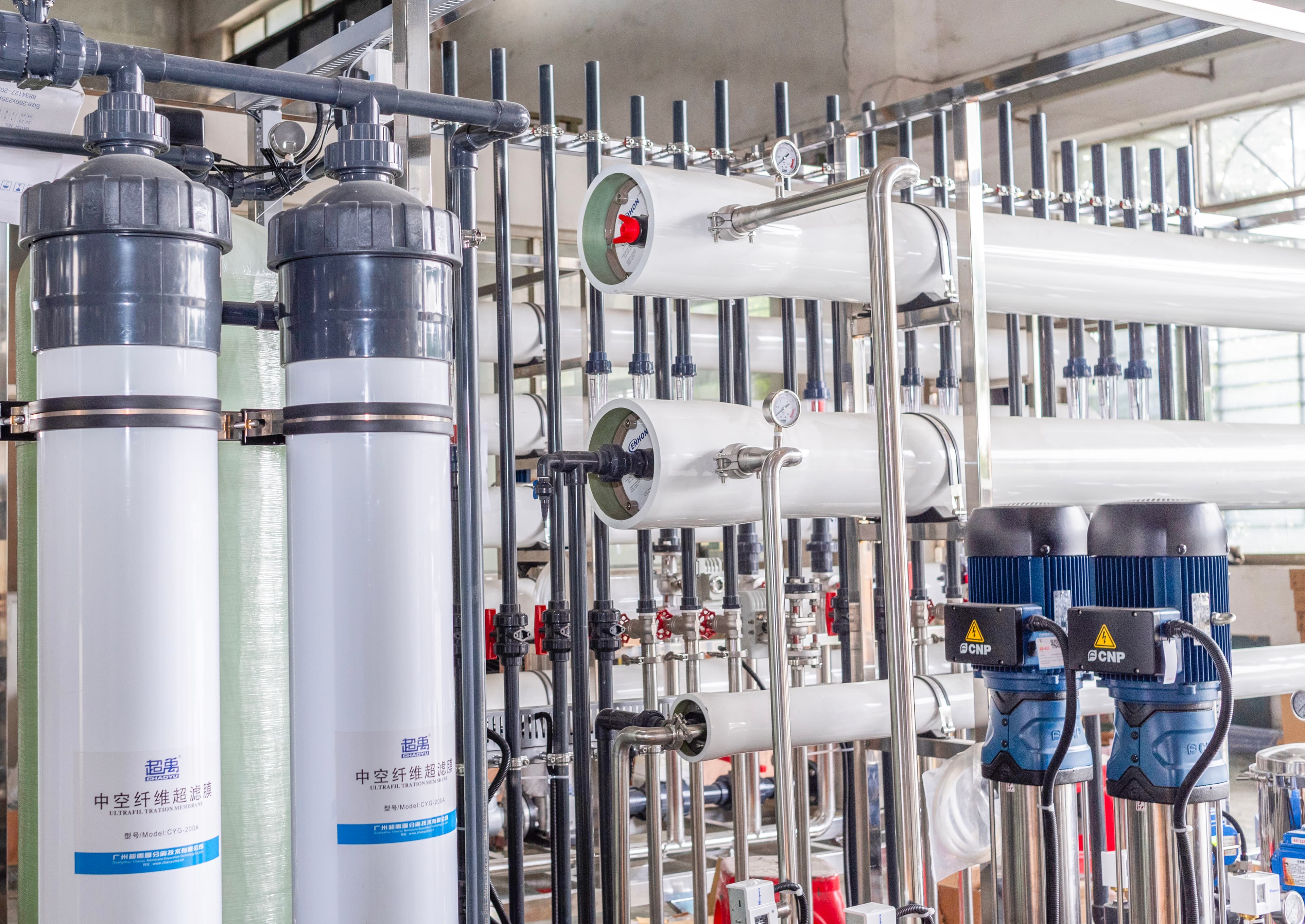
Reuse engineering needs a clear view of both the incoming stream and the quality required at the final reuse point.
| Design Input | Required Information | Why It Matters |
|---|---|---|
| Source stream | Treated wastewater or process stream | Sets the contaminant and variability basis. |
| Flow variability | Operating data required | Guides equalization, train sizing and operating strategy. |
| Suspended solids / SDI | Confirmed during engineering | Affects pretreatment, UF and RO protection. |
| Dissolved salts | Water analysis required | Guides RO and final-reuse suitability review. |
| Final reuse point | Process / cooling / wash / utility use | Defines the target treatment outcome. |
| Concentrate route | Confirmed by project | Required for a practical recovery scope. |
The sequence is selected around the final reuse point. It does not assume zero-liquid-discharge or evaporation technology.
Incoming water is characterized for variability and contaminants.
Equalization and conditioning are selected where needed.
Controls solids and protects downstream membranes where appropriate.
Reduces dissolved salts where the final reuse point requires it.
Selected only for the final reuse water requirement.
Recovered water is monitored and directed to the agreed reuse point.
The same source stream may need very different treatment depending on whether it returns to cooling, washing, utilities or a production process.
The incoming stream is reviewed for flow variation, solids, dissolved salts and contaminants.
UF and RO are selected as required by the source stream and the reuse target—not automatically.
Final-water controls, storage and monitoring are aligned to the actual reuse point.
Final system configuration follows source-stream analysis, variability, reuse target and concentrate-management conditions.
| Parameter | Typical Option / Range | Engineering Note |
|---|---|---|
| Capacity | Project-specific | Sized from source flow and reuse demand. |
| Feed stream | Treated wastewater / process water | Final basis follows analysis and variability review. |
| Treatment stages | Pretreatment / UF / RO / advanced stages | Selected around the final reuse point. |
| Recovery | Confirmed during engineering | Depends on chemistry, fouling risk and reuse duty. |
| Final reuse quality | Fit-for-purpose | Confirmed with the project owner. |
| Controls | PLC / HMI options | Monitoring follows operating risk and use point. |
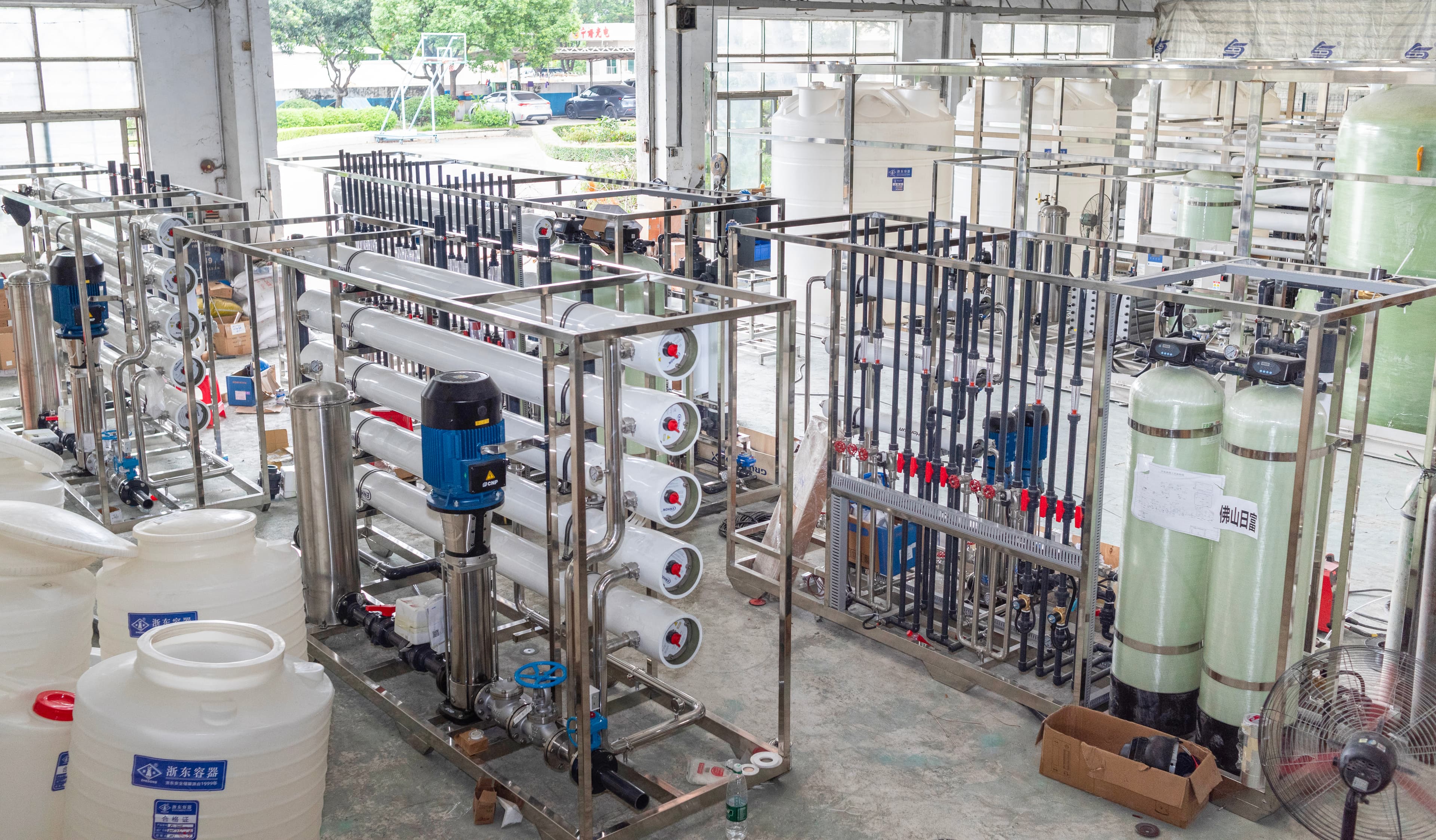
Component and brand selection can be discussed according to the approved project requirements.
Controls can coordinate equalization, treatment sequencing, cleaning, quality monitoring and reuse-water diversion around the agreed operating scope.
Optional modules are selected around the source stream, final reuse point and practical operating conditions.
Equalization
Coagulation
Multimedia filtration
Chemical dosing
Oil separation review
UF
RO
Final filtration
CIP
Reuse storage
Pilot testing
Remote monitoring
Container enclosure
Material options
Documentation scope
Source-stream connection, drainage, chemical handling, reuse-water delivery and maintenance access should be reviewed before fabrication.
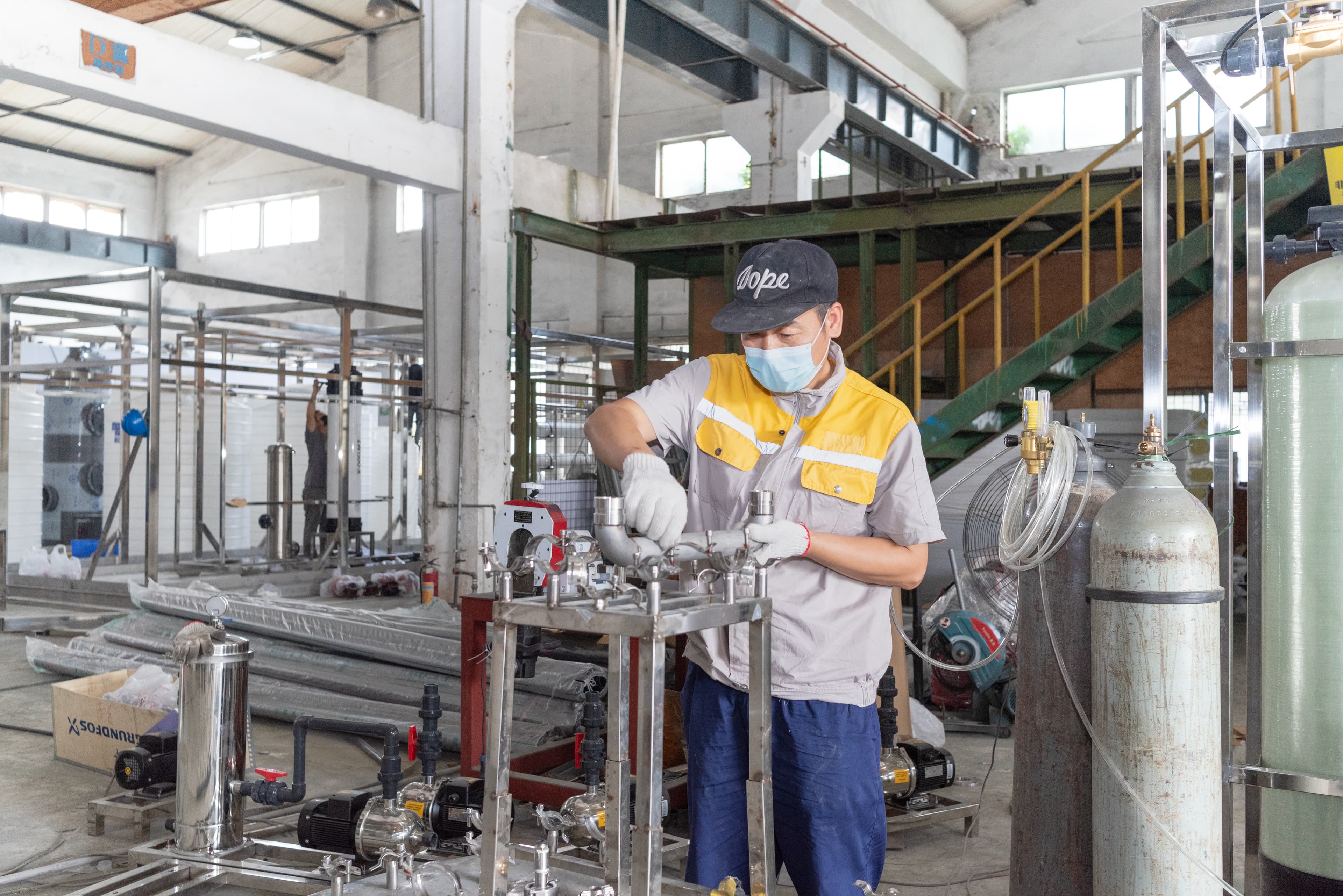
Assembly, inspection and functional review are planned against the approved technical agreement and agreed project scope.
Final FAT scope and acceptance criteria are confirmed in the approved technical agreement.
A water-reuse system reference for a power and energy-storage project. Detailed performance and delivery data should be confirmed from the approved project records before publication.
Cost follows source-stream variability, final reuse requirement, treatment stages, recovery strategy, controls and the agreed delivery scope.
Direct answers for engineering, procurement and project-planning discussions.
Start with source-stream analysis, operating variability and the final reuse point. Those inputs define the treatment route and monitoring requirements.
No. RO is selected when dissolved-salt reduction is required for the final reuse target. Other projects may use pretreatment and UF only.
No. This page describes water reuse treatment. It does not assume ZLD, MVR or evaporator technology.
The final reuse point, its quality requirement, source variability and operational risk define the monitoring plan and treatment stages.
It can be considered where the final cooling-water requirements, source chemistry and operating risks are confirmed during engineering.
Pilot testing can be discussed where source variability or treatment risk requires additional verification before final engineering.
| System | Water reuse | Ultrafiltration | Industrial RO |
|---|---|---|---|
| Best for | Fit-for-purpose recovery | Solids and colloid control | Dissolved-salt reduction |
| Typical route | Treated water → UF / RO → reuse | Source water → UF | Pretreatment → RO |
| Design basis | Source stream + final reuse point | Downstream protection | Product-water duty |
| When to use | Reuse objective is confirmed | RO feed needs stabilization | Salt reduction is required |
Share the source-stream analysis, variability, final reuse point, required capacity and any concentrate-management conditions.